






Your DNA doesn’t just explain how you feel — it helps you make smarter calls on food, fitness and sleep. A simple at-home test from YOLO Health decodes it for you.
Get My DNA Kit →Eight Hours of Bad Sleep Is Not the Same as Eight Hours of Good Sleep
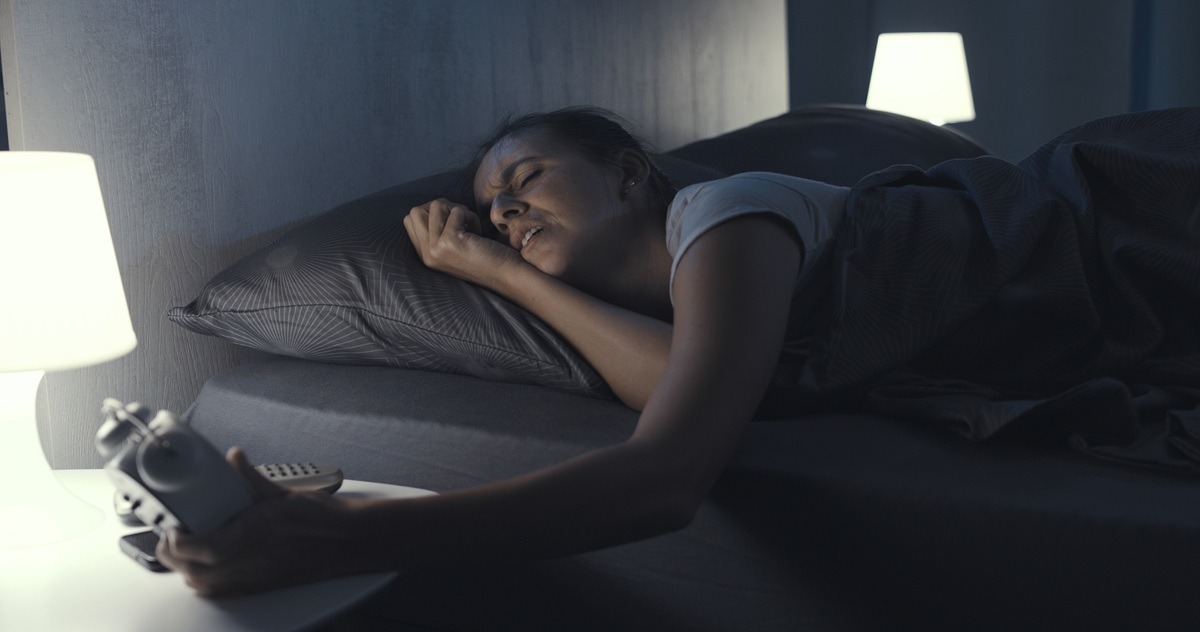 Here’s the thing. You can log eight hours, but if your sleep cycles are constantly interrupted, your body never gets the deep, restorative rest it needs. Think of it like a phone that says “charging”, but the battery barely moves because the cable is faulty.
Frequent awakenings, even ones you don’t remember, stress hormones, breathing pauses, hormone imbalances, or a misaligned internal clock can all wreck your sleep depth. You might not recall waking up, but your body does. And that’s why you can spend a full night in bed and still feel drained the next morning. When you’re still exhausted after 8 hours of sleep, it’s often a sign that your sleep architecture is broken, not just your schedule.
Here’s the thing. You can log eight hours, but if your sleep cycles are constantly interrupted, your body never gets the deep, restorative rest it needs. Think of it like a phone that says “charging”, but the battery barely moves because the cable is faulty.
Frequent awakenings, even ones you don’t remember, stress hormones, breathing pauses, hormone imbalances, or a misaligned internal clock can all wreck your sleep depth. You might not recall waking up, but your body does. And that’s why you can spend a full night in bed and still feel drained the next morning. When you’re still exhausted after 8 hours of sleep, it’s often a sign that your sleep architecture is broken, not just your schedule.

The Genetic Hand in Your Sleep
Twin studies have shown that how well you sleep, when you sleep, and how long you sleep all have a genetic component. Heritability estimates put bedtime at about 20 per cent, sleep duration at 17 per cent, and the length of your longest sleep stretch at 23 per cent. That’s nothing. Your genes influence whether you wake up groggy or refreshed, whether you’re a morning person or a night owl, and even whether you snore. Large‑scale genetic studies have identified variants near genes like MEIS1, FBXL13, MED20, and SMAD5 that affect overall sleep health. So, if you’ve always struggled to feel rested, it’s worth asking: is this just me, or is this my DNA?The Lucky Few People Who Thrive on Six Hours
 You know the type. The boss who emails at 5 a.m. and is still sharp at 10 p.m. Between one and three per cent of the population needs six hours or less – and they’re perfectly healthy. They’re called natural short sleepers, and it’s a genuine genetic superpower.
Back in 2009, researchers at UCSF discovered a mutation in the DEC2 gene in two women who slept just six hours a night with no ill effects. Then in 2019, the same team found another mutation, ADRB1, in a family that slept closer to four hours. Yes, four. And they were fine.
In 2025, they studied a woman in her 70s with one of these mutations. She had slept six hours a night most of her life and remained sharp, active, and healthy. That’s not willpower. That’s DNA. For the rest of us, though, eight hours still isn’t enough and that’s where the real detective work begins.
You know the type. The boss who emails at 5 a.m. and is still sharp at 10 p.m. Between one and three per cent of the population needs six hours or less – and they’re perfectly healthy. They’re called natural short sleepers, and it’s a genuine genetic superpower.
Back in 2009, researchers at UCSF discovered a mutation in the DEC2 gene in two women who slept just six hours a night with no ill effects. Then in 2019, the same team found another mutation, ADRB1, in a family that slept closer to four hours. Yes, four. And they were fine.
In 2025, they studied a woman in her 70s with one of these mutations. She had slept six hours a night most of her life and remained sharp, active, and healthy. That’s not willpower. That’s DNA. For the rest of us, though, eight hours still isn’t enough and that’s where the real detective work begins.
The Main Genes That Control Sleep Duration
 Let’s get specific. A few key genes have been identified as major players in how much sleep your body needs. The DEC2 mutation cuts required sleep by about two hours. The ADRB1 mutation shortens sleep by about an hour; carriers average 7.1 hours. The CRY1 mutation lengthens your internal day, causing delayed sleep phase disorder, where you naturally fall asleep very late and struggle with morning routines.
These aren’t sleep hacks. They are literal genetic blueprints for efficient rest. If you don’t have one of these rare mutations, your eight hours should be enough – unless something else is fragmenting your sleep.
Let’s get specific. A few key genes have been identified as major players in how much sleep your body needs. The DEC2 mutation cuts required sleep by about two hours. The ADRB1 mutation shortens sleep by about an hour; carriers average 7.1 hours. The CRY1 mutation lengthens your internal day, causing delayed sleep phase disorder, where you naturally fall asleep very late and struggle with morning routines.
These aren’t sleep hacks. They are literal genetic blueprints for efficient rest. If you don’t have one of these rare mutations, your eight hours should be enough – unless something else is fragmenting your sleep.
Your Body Clock Has a Genetic Fingerprint
 Your chronotype, whether you’re a morning lark or a night owl, is heavily influenced by your DNA. The CLOCK gene is a major regulator of your circadian rhythm. Variations in it can shift your sleep timing, duration, and quality.
The CRY1 mutation is a standout. It lengthens the circadian period, so people with this mutation naturally fall asleep later, often misaligned with normal work and social schedules. Other clock genes like PER2, PER3, CSNK1D, and TIMELESS are involved in advanced or delayed sleep phase disorders. So, if you’ve always been a night owl fighting to wake up, your genes might be the reason you’re still exhausted after 8 hours of sleep.
Your chronotype, whether you’re a morning lark or a night owl, is heavily influenced by your DNA. The CLOCK gene is a major regulator of your circadian rhythm. Variations in it can shift your sleep timing, duration, and quality.
The CRY1 mutation is a standout. It lengthens the circadian period, so people with this mutation naturally fall asleep later, often misaligned with normal work and social schedules. Other clock genes like PER2, PER3, CSNK1D, and TIMELESS are involved in advanced or delayed sleep phase disorders. So, if you’ve always been a night owl fighting to wake up, your genes might be the reason you’re still exhausted after 8 hours of sleep.
The Genetic Side of Sleep Apnea
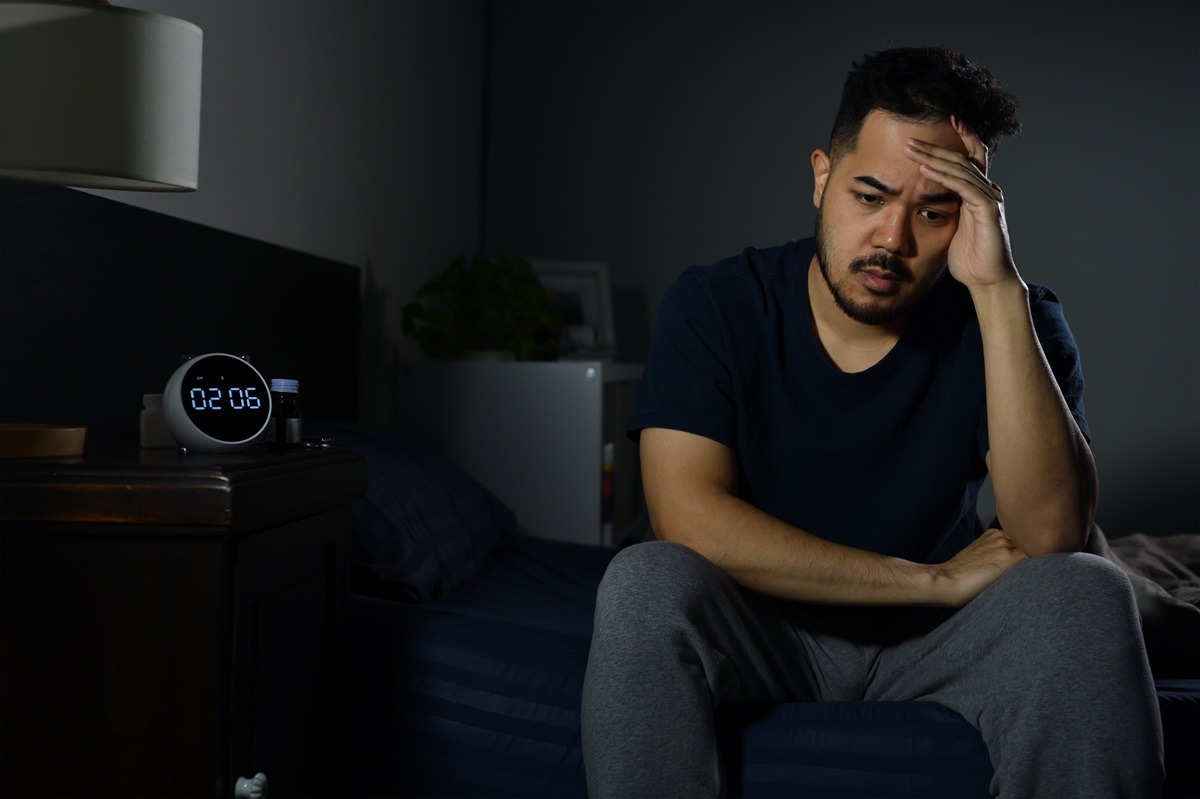 Sleep apnea has a strong genetic component. Obstructive sleep apnea causes brief pauses in breathing throughout the night, sometimes hundreds of times. Most people don’t remember waking up, but their bodies do. Even mild sleep apnea shreds deep and REM sleep, leaving you exhausted even after a full eight hours.
Genetic variants linked to restless legs syndrome and serotonin processing also show up in sleep quality studies. If you wake up with morning headaches, a dry mouth, or feel like you could nap at your desk every afternoon, it’s worth talking to a doctor about a sleep evaluation. And a DNA test can help you understand your predisposition.
Sleep apnea has a strong genetic component. Obstructive sleep apnea causes brief pauses in breathing throughout the night, sometimes hundreds of times. Most people don’t remember waking up, but their bodies do. Even mild sleep apnea shreds deep and REM sleep, leaving you exhausted even after a full eight hours.
Genetic variants linked to restless legs syndrome and serotonin processing also show up in sleep quality studies. If you wake up with morning headaches, a dry mouth, or feel like you could nap at your desk every afternoon, it’s worth talking to a doctor about a sleep evaluation. And a DNA test can help you understand your predisposition.
What a DNA Sleep Test Can Tell You
 A DNA sleep test looks at specific genetic variants that affect sleep quality, your sleep‑wake cycle, circadian rhythm, and energy regulation. The YOLO Health Package for Sleep analyses over 40 genes and more than 800,000 SNPs (those are tiny genetic markers). It’s an at‑home kit, no needles, no blood. You do a mouth swab, send that in, and get a report written at “science fair” level. It tells you how your genes affect falling asleep, staying asleep, and waking up refreshed.
Armed with that information, you can make targeted changes: shifting your bedtime to match your natural chronotype, adjusting your environment for your genetic sensitivities, or addressing predispositions to sleep disorders. No more guessing.
A DNA sleep test looks at specific genetic variants that affect sleep quality, your sleep‑wake cycle, circadian rhythm, and energy regulation. The YOLO Health Package for Sleep analyses over 40 genes and more than 800,000 SNPs (those are tiny genetic markers). It’s an at‑home kit, no needles, no blood. You do a mouth swab, send that in, and get a report written at “science fair” level. It tells you how your genes affect falling asleep, staying asleep, and waking up refreshed.
Armed with that information, you can make targeted changes: shifting your bedtime to match your natural chronotype, adjusting your environment for your genetic sensitivities, or addressing predispositions to sleep disorders. No more guessing.
Why Test Before a Wellness Retreat
If you’re planning a stay at a medical wellness resort like Park Igls in the Austrian Alps, a DNA test is a powerful first step. It lets the medical team tailor your programme to your genetic needs. Instead of guessing whether you’re prone to circadian disruption or poor deep sleep, they know. That’s why YOLO Travel often recommends combining a DNA sleep test with a medical retreat. You arrive with data, not assumptions. Physicians can then use blood panels, hormone tests, and your genetic blueprint to build a programme that finally fixes your sleep – not just for the week, but for good.The Bottom Line: When to Test Your DNA for Sleep Problems
 If you’re still exhausted after 8 hours of sleep, don’t just blame your pillow. Your genetics may be a real part of the story. Sleep duration is 16–22 per cent heritable. Key genes like DEC2, ADRB1, and CRY1 can shorten your sleep need or shift your body clock. And conditions like sleep apnea have genetic roots that fragment your rest without you even knowing.
A DNA sleep test gives you the data to stop guessing and start fixing. Combine that with a personalised wellness programme, and you can finally answer the question that’s been following you around for years: why am I still tired?
If you’re still exhausted after 8 hours of sleep, don’t just blame your pillow. Your genetics may be a real part of the story. Sleep duration is 16–22 per cent heritable. Key genes like DEC2, ADRB1, and CRY1 can shorten your sleep need or shift your body clock. And conditions like sleep apnea have genetic roots that fragment your rest without you even knowing.
A DNA sleep test gives you the data to stop guessing and start fixing. Combine that with a personalised wellness programme, and you can finally answer the question that’s been following you around for years: why am I still tired?
Frequently asked questions
Still exhausted after 8 hours of sleep
What does it mean if I’m still exhausted after 8 hours of sleep?
It means your sleep quality is poor even though your sleep quantity is adequate. Your sleep cycles are likely disrupted by frequent awakenings, breathing issues, stress, or an irregular circadian rhythm, and your DNA may be a contributing factor. A DNA sleep test can help identify genetic variants that affect sleep depth. If you’re looking for a workplace solution, YOLO Travel offers a sleep improvement and restorative rest programme to reset natural sleep rhythms. For natural remedies, YOLO Mag recommends specific teas that help with poor sleep.
Is being a night owl genetic?
Yes. Your chronotype is heavily influenced by genes like CLOCK, CRY1, PER2, and PER3. A mutation in CRY1 can cause delayed sleep phase disorder. The YOLO Health’s how your genes affect your sleep explains which variants make your internal clock run late. YOLO Mag’s guide on how to live like a monk offers practical morning routines to help night owls reset.
Can a DNA test really tell me why I’m tired?
It gives you a clear direction. The test analyses over 40 genes linked to sleep quality, sleep‑wake cycles, circadian rhythm, and energy regulation. See our DNA health Package.
